
How to Prevent Gym Injuries and Train Smarter
- Gee Gym Administration
- May 15
- 4 min read

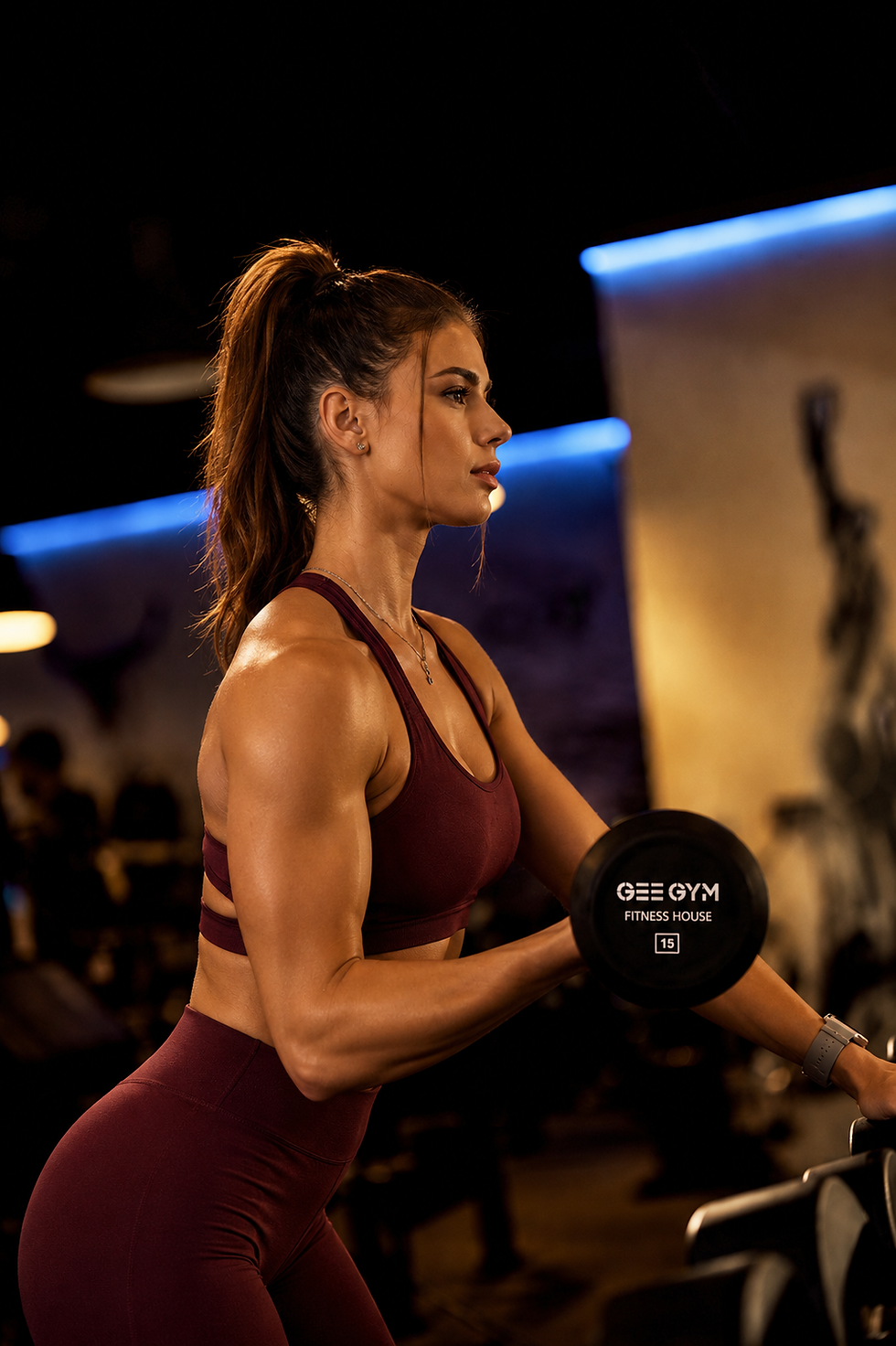
Nothing slows down fitness progress faster than an injury. One wrong movement, poor form, or skipping recovery can turn weeks of hard work into time away from the gym. Whether you’re brand new to fitness or lifting regularly, learning how to prevent gym injuries is one of the smartest things you can do for your body.
At Gee Gym in Hallandale Beach, we believe training should make you stronger — not leave you dealing with pain and setbacks. The good news is that most common gym injuries are preventable with the right habits, proper technique, and a smarter approach to workouts.
If you want to stay consistent, improve performance, and feel your best while training, these injury prevention tips can make a huge difference.
Why Gym Injuries Happen
Most gym injuries don’t happen because someone is weak. They usually happen because of:
Poor exercise form
Lifting too heavy too soon
Skipping warm-ups
Lack of mobility
Overtraining
Ignoring recovery
Repetitive stress on joints and muscles
At our Hallandale gym, we often see people trying to push through pain instead of fixing the root problem. Training hard is important, but training smart is what keeps you progressing long term.
Always Warm Up Before Your Workout
One of the biggest mistakes people make is jumping straight into heavy exercises without preparing the body first.
A proper warm-up:
Increases blood flow
Activates muscles
Improves mobility
Reduces stiffness
Helps prevent strains and pulls
Simple Warm-Up Routine Before Lifting
Before your workout, spend 5–10 minutes doing:
Light cardio
Dynamic stretching
Mobility exercises
Activation work for the muscles you’re training
For example:
Leg day → hip mobility and glute activation
Upper body day → shoulder mobility and band work
Members at Gee Gym in Hallandale Beach who consistently warm up properly often notice better performance and fewer aches during workouts.
Focus on Proper Exercise Form
Using proper technique is one of the most important ways to avoid injuries in the gym.
Bad form places unnecessary stress on:
Knees
Shoulders
Lower back
Wrists
Neck
Common mistakes include:
Rounding the back during deadlifts
Letting knees collapse during squats
Using momentum instead of muscle control
Lifting heavier than you can safely handle
If you’re unsure about your form, ask a trainer for guidance. Even experienced lifters benefit from occasional form corrections.
Don’t Let Your Ego Control the Weight
One of the fastest ways to get injured is trying to lift heavier weights before your body is ready.
Progressive overload is important, but it should happen gradually.
Train Smart Instead of Heavy
Focus on:
Controlled movements
Full range of motion
Proper breathing
Muscle engagement
Consistency over ego lifting
At Gee Gym, we encourage members to prioritize long-term progress rather than chasing numbers that compromise safety.
Mobility and Flexibility Matter More Than You Think
Tight muscles and stiff joints can increase injury risk dramatically.
Poor mobility often leads to:
Shoulder pain during presses
Lower back strain during squats
Knee discomfort
Limited range of motion
Adding mobility work into your routine can improve:
Movement quality
Recovery
Posture
Exercise technique
Important Areas to Improve Mobility
Hips
Ankles
Thoracic spine
Shoulders
Even just 5–10 minutes daily can help your body move better and reduce stress on your joints.
Recovery Is Part of Training
Many people in Hallandale Beach are committed to working hard in the gym, but recovery is just as important as the workout itself.
Without proper recovery, your body becomes more vulnerable to injuries.
Recovery Habits That Matter
Getting enough sleep
Staying hydrated
Eating enough protein
Taking rest days
Stretching after workouts
Managing stress
Remember: muscles grow and repair during recovery, not during the workout itself.
Listen to Pain Signals
There’s a difference between muscle soreness and actual pain.
Normal soreness:
Feels tight or tired
Improves with movement
Goes away within a few days
Warning signs of injury:
Sharp pain
Joint pain
Swelling
Tingling or numbness
Pain that worsens during movement
Ignoring pain and “pushing through it” often turns small issues into serious injuries.
At Gee Gym in Hallandale, we always encourage members to pay attention to their bodies and train responsibly.
Why Personal Training Can Help Prevent Injuries
Working with a qualified trainer can help you:
Learn proper form
Build safe workout programs
Improve mobility
Avoid common mistakes
Progress safely
Many gym injuries happen because people copy random workouts online without understanding proper mechanics.
A good trainer creates structure, accountability, and safer progression based on your goals and fitness level.
FAQ About Preventing Gym Injuries
What is the most common gym injury?
Lower back, shoulder, and knee injuries are among the most common due to poor form and overuse.
Should beginners use heavy weights?
Beginners should focus on technique first before increasing weight.
Is soreness normal after workouts?
Yes, mild soreness is normal. Sharp or persistent pain is not.
How important are rest days?
Very important. Recovery helps muscles repair and reduces injury risk.
Can stretching help prevent injuries?
Yes. Mobility and flexibility work can improve movement patterns and reduce joint stress.
Train Safely at Gee Gym in Hallandale Beach
At Gee Gym, we want every member to feel stronger, healthier, and confident while training safely. Fitness should improve your life — not leave you dealing with injuries and frustration.
Whether you’re just starting your fitness journey or looking to take your training to the next level, our supportive environment and experienced trainers can help you train smarter and stay consistent.
If you’re searching for a motivating gym in Hallandale Beach that truly cares about proper training, recovery, and long-term results, Gee Gym is here for you.


Great insights on injury prevention—especially the emphasis on warm-ups and proper form. I’ve also seen how Online Fitness Coaching can help people learn correct technique, stay consistent, and avoid common workout mistakes when training without in-person supervision. Recovery and listening to pain signals are equally important for long-term progress. Consistency makes all the difference.